

- Home
- Blog
- Surrogacy Baby Care
- How Do U.S. Surrogacy Babies Preserve Umbilical Cord Mesenchymal Stem Cells? Is It Really Necessary? The Maternity Care Center Teaches You How to Prepare!
How Do U.S. Surrogacy Babies Preserve Umbilical Cord Mesenchymal Stem Cells? Is It Really Necessary? The Maternity Care Center Teaches You How to Prepare!
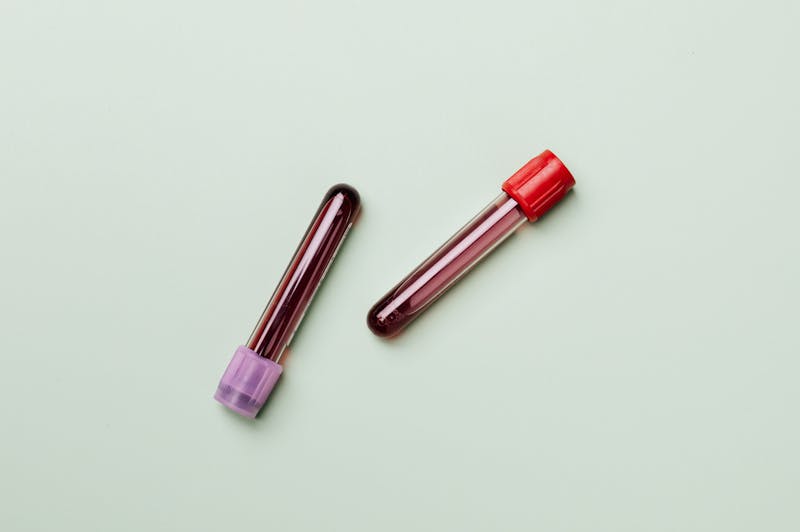
Umbilical cord mesenchymal stem cell preservation has become an increasingly important option for many Asian surrogacy families welcoming a newborn in the United States. Umbilical cord mesenchymal stem cells come from the umbilical cord tissue collected immediately after birth. These cells possess strong regenerative and repair capabilities and are considered valuable resources for future medical treatments and anti-aging healthcare. However, collection and processing can only be done once—at the exact moment the baby is born. If missed, the opportunity cannot be recovered.
For cross-border surrogacy families, preserving umbilical cord mesenchymal stem cells is even more challenging: the due date may overlap with a time when parents cannot arrive in the U.S., coordination with the surrogate and hospital is required, and laboratory and logistics arrangements must be done in advance. The process is time-sensitive and must be completed quickly. Many families do not know how to prepare beforehand, and some mistakenly assume they only need to verbally tell the hospital, resulting in missed collection opportunities.
JDB maternity care center has long assisted international surrogacy families and understands the steps and considerations involved in preserving umbilical cord mesenchymal stem cells. This article explains the full process, cost, and value assessment, as well as how JDB assists families in completing this crucial medical preparation during their international fertility journey.
What Are Umbilical Cord Mesenchymal Stem Cells (UC-MSCs)?
Can Surrogacy Babies Preserve Them?
Umbilical cord mesenchymal stem cells originate from the umbilical cord that connects mother and fetus. The stem cells are obtained from the umbilical cord tissue after it is cut, causing no harm to either party. These cells are purer and more primitive than adult stem cells, with stronger regenerative and differentiation capabilities. They exhibit powerful anti-inflammatory and immunomodulatory properties and promote tissue repair by secreting bioactive factors that regulate inflammation and restore normal function. UC-MSCs currently show broad potential for healthcare and clinical treatment.
Surrogacy babies can preserve umbilical cord mesenchymal stem cells, and it is very common. Since UC-MSCs are collected from the umbilical cord tissue after the baby is born—not from the surrogate’s body:
✔ No impact on the surrogate
✔ No impact on the baby
✔ Not related to genetics or parentage
✔ No medical risk for the surrogate
✔ Legal ownership of the cells belongs to the baby (i.e., the intended parents)
Therefore, as long as arrangements are made in advance, surrogacy babies can fully preserve umbilical cord mesenchymal stem cells.
Complete Process for Surrogacy Families to Preserve Umbilical Cord Stem Cells in the U.S.
Many families mistakenly believe that stem cell collection is a routine hospital procedure and that simply telling the doctor is sufficient. This is not the case. Umbilical cord stem cell collection and storage is a specialized medical process requiring advance preparation and multi-party coordination. Without proper preparation, the collection may fail even if parents inform the doctor at the last minute.
1. Preparation Before Birth (Recommended Before the 7th Month of Pregnancy)
- Learn about stem cell preservation options and procedures through the maternity care center or surrogacy consultant
- Select a private stem cell bank, sign the storage agreement, and pay the initial fees
- Most important: obtain the Collection Kit, which must be delivered to the surrogate before the baby is born
- Notify the hospital, surrogate, and maternity care center so all parties know that “stem cell preservation is required”
2. On the Day of Delivery (Critical Step!)
- The surrogate must bring the Collection Kit to the hospital; this step is often overlooked
- Remind the doctor: if parents are present, they should personally remind the doctor; if not, the maternity care center will remind the surrogate
- Medical staff collect umbilical cord blood and tissue immediately after birth; the process takes 5–10 minutes and is painless and non-invasive
- Note: some U.S. doctors may not be experienced in stem cell collection, leading to insufficient samples. Families must remind the doctor to collect adequate blood volume and tissue
3. Post-Collection Processing
- Notify the stem cell company immediately to pick up the sample
- Samples must arrive at the laboratory within 24 hours for processing, stem cell extraction, and cryopreservation
- Laboratories use vapor-phase liquid nitrogen storage at -196°C for long-term preservation
- Families receive official storage documentation and should keep it safely
What Conditions Can Umbilical Cord Mesenchymal Stem Cells Potentially Treat?
Clinical trial results suggest that stem cells may provide benefits for various conditions, including age-related diseases, chronic diseases, arthritis, back pain, diabetes, erectile dysfunction, female sexual dysfunction, and joint pain. Local joint injections may also be performed for joint issues.
Can UC-MSCs Be Used for Wellness and Anti-Aging?
Preliminary clinical results show potential benefits for age-related degeneration. Aging is fundamentally the aging of cells—especially stem cells—which decrease in number and quality over time. While aging cannot be stopped, replenishing needed stem cells to continuously repair tissue and improve body function may help slow the aging process. Reports suggest UC-MSCs may enhance energy, strength, endurance, hair quality, memory, immunity, sleep, and sexual function while stabilizing metabolism, hormones, and blood pressure. By repairing aging cells and maintaining cellular activity, UC-MSCs may help prolong healthy lifespan.
Can UC-MSCs Be Used for Aesthetic Purposes?
Mesenchymal stem cells contain multiple skin-nourishing and anti-aging factors that may improve wrinkles, firmness, complexion, and radiance. They may also reduce pigmentation and scarring. After injection, they accelerate metabolic processes, helping fade surface pigmentation. Because the cells act over a longer period, they may offer long-term anti-aging effects rather than temporary brightening.
Frequently Asked Questions About Umbilical Cord Stem Cells
Q1: How much does stem cell preservation cost? What are U.S. private cord blood banks’ typical fees?
Costs vary by plan. Generally, annual storage fees are about USD $500 per sample. Some companies offer 20-year or lifetime plans with different pricing. It is recommended to contact the stem cell company directly or inquire through JDB maternity care center for the latest pricing and promotions.
Q2: Do surrogacy babies need the surrogate’s consent for stem cell preservation?
The surrogate must cooperate with the collection process, but formal “consent” is not required. The stem cells belong to the baby and are unrelated to the surrogate’s blood type or genetics. What matters is delivering the Collection Kit to the surrogate before birth and ensuring she brings it to the hospital and reminds the doctor on delivery day.
Q3: Can U.S.-preserved stem cells be transported to Asia? How is international transport handled?
Yes. Stem cell companies can arrange international shipping to Asian countries such as Taiwan, Hong Kong, China, and Singapore. Transport requires specialized cryogenic equipment and professional logistics, which incur extra costs and require advance scheduling.
Q4: If stem cells are not preserved in the U.S., can they be stored after returning home?
No. Stem cells must be collected immediately after birth and reach the laboratory within 24 hours for processing and freezing. If the opportunity is missed, collection is no longer possible. This is a once-in-a-lifetime chance, so surrogacy families are advised to decide and prepare before the baby is born.
JDB’s Coordination Role: Ensuring Smooth Multi-Party Cooperation
Successful stem cell collection requires seamless coordination: the surrogate must bring the Collection Kit and notify the doctor, the doctor must perform proper collection, and the maternity care center acts as the coordination hub. For parents unable to travel to the U.S., the maternity care center’s support is even more crucial.
JDB maternity care center communicates the collection process clearly with the surrogate before birth, ensures she understands each step, reminds her on delivery day to bring the Collection Kit, and informs medical staff of the collection requirements. After collection, JDB immediately contacts the stem cell company to pick up the sample, ensuring delivery to the laboratory within 24 hours. This end-to-end coordination greatly reduces the risk of failed collection due to miscommunication or overlooked procedures, helping international surrogacy families preserve stem cells smoothly and welcome their newborn with peace of mind.

Article Classification
Recent Articles
- How to Choose the Right U.S. Surrogacy Agency: A Complete Comparison of One-Stop and Surrogacy Consulting Models
- Which U.S. Surrogacy Families Should Arrange Newborn Care Early?
- Why Can a Surrogacy Baby Get “Stuck in the Hospital”? How JDB Handles Every Post-Birth Challenge
- How to Choose a Good U.S. Surrogacy Agency? Insights from JDB’s First-Hand Experience
- How Many Days of Newborn Care Do You Need? A Complete Guide for U.S. Surrogacy Families